

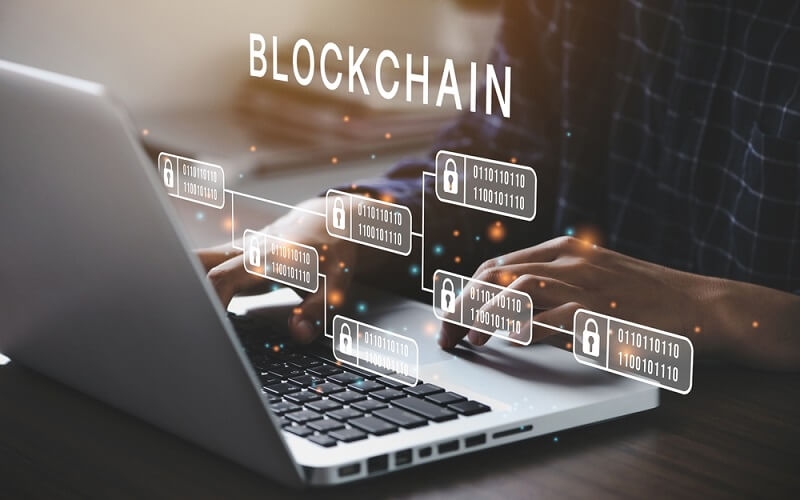
The way corporations do business, how they transact with each other, and how they build trust have all changed due to advances in blockchain technology. Blockchain and Distributed Ledger (DLT) networks are providing an entirely new space for innovation across supply chains, NFTs (Non-Fungible Tokens), and smart contracts, to name a few. The impact of these use cases will continue to grow as more businesses adopt the technology for their operations. According to research conducted by the SEC (U.S. Securities and Exchange Commission) and the World Economic Forum (WEF), DLT is at the forefront of revolutionising global finance by increasing transparency, improving the regulatory landscape, and enhancing structural resilience (operational) across the globe. So, how are blockchain use cases achieving real success? Let’s take a closer look at the current successes.
The requirements of modern business include reliability, scale, and operational efficiency, which is where the advantages of using blockchain technologies come into play.
Enterprise blockchain solutions enable organisations to create private (permissioned) networks that provide greater transparency while safeguarding sensitive information. These companies do this by controlling access to their networks (and, therefore, the information they maintain), and public blockchains would likely be an inappropriate solution for many industries, including banking, healthcare, and logistics.
Some examples include:
The International Monetary Fund reported that properly regulated blockchain-based infrastructure will enhance financial system stability and strengthen the foundation for the growing importance of enterprise blockchain solutions in corporate digital transformation initiatives.
Smart Contract Automation, which executes without human intervention and therefore significantly reduces both the time required to execute the contract via automation and the potential for error, while also helping reduce operational expenses, is one of the most powerful uses of blockchain. A few examples of smart contract automation in the real world include the following:
When companies incorporate automation (smart contracts) into enterprise blockchain solutions, it greatly reduces the time required to process orders and enables lower-cost transaction processing. The National Institute of Standards and Technology ultimately states that standards on automation will play a critical role in the overall scalability of blockchains, further emphasizing the value of these blockchain-based solutions. Therefore, enterprise blockchain solutions that incorporate smart contract automation are helping to modernize older systems more efficiently than ever before.
While enterprise systems signify an institution’s adoption of an idea or methodology, decentralized finance platforms represent an example of financial disruption.
Reinventing traditional banking, decentralized finance platforms use blockchain protocol and automate the processes by which this happens through the use of smart contracts to facilitate:
These blockchain use cases are creating opportunities for underserved populations to access financial services previously unavailable to them through banks. The U.S. Federal Reserve (2019) has commented on the potential implications of rapid innovation in digital assets for payments and access to finance.
Additionally, decentralized finance platforms provide increasing levels of transparency because all transactions are publicly verifiable; however, regulatory agencies such as the Commodity Futures Trading Commission (CFTC) are working to develop compliance frameworks to ensure that these use cases for blockchain technology grow in a responsible manner.
A second series of transformative uses of blockchain technology can be found in the growing NFT (Non-Fungible Token) ecosystem overview. NFTs are sometimes viewed solely as digital artwork, but they also have many other uses.
Examples include:
The NFT ecosystem overview shows how Blockchain technology enables secure ownership records for both digital and physical assets. When smart contracts are used for automation, NFT transactions can automatically enforce royalty payments or resale restrictions.
The use cases mentioned above will redefine ownership in the digital world and provide a consistent and irrefutable record of ownership.
Global supply chains stand to gain substantially from utilising blockchain technology. Blockchain technology enables transport companies to build an unchangeable ledger that tracks items as they move from the source (or manufacturer) to the recipient (client/customer).
The main advantages of using blockchain technology in your supply chain include the ability to: track shipments in real-time; verify product authenticity; automate customs clearance; and report on ESG compliance.
According to the U.S. Department of Commerce, digital infrastructure is a critical component of modern trading systems. Therefore, supply chain blockchain technology aligns with the goal of creating traceability and accountability throughout the supply chain.
Combining supply chain blockchain technology with smart contract automation will enable payments to be automatically released by the supplier once delivery is confirmed, thereby resolving disputes quickly and improving the speed at which suppliers are paid.
Some of the benefits of utilising smart contracts and blockchain technology in Logistics include: lower administrative overhead; shorter transaction times; greater supplier confidence; and improved audit trails.
As enterprise blockchain solutions continue to develop, more companies will build seamless integrations of supply chain blockchain technologies into their processes to facilitate cooperation among global trading partners.
Blockchain use cases have changed the way industries operate across a variety of sectors, from corporate to consumer payments to supply chain blockchain technology, and all the way to NFTs.
Smart contracts increase efficiency by automating processes within an enterprise. Enterprise blockchain provides a higher degree of security than traditional methods. Decentralized finance (DeFi) provides consumers with democratized access to financial products and services. Supply chain blockchain technology provides greater transparency than traditional supply chain systems. The NFT overview is a way for digital assets to have verified ownership.
With the changing regulatory landscape and continued guidance from institutions such as the S.E.C., Federal Reserve, and I.M.F., blockchain use-cases will continue to become more responsible in their development. Companies early adopters of blockchain will lead the way in defining the digital economy of tomorrow.
Blockchain use-cases are not just a fad. They form the foundation of developing trust in a decentralized world.
The use cases with the most impact on today’s blockchain ecosystem include enterprise blockchain solutions to connect the back end of corporate systems; DeFi platforms used to create decentralized banking opportunities; supply chain use cases that increase visibility and transparency throughout the logistics function; NFT ecosystems that enable the purchasing and selling of digital property; and smart contracts to automate business processes.
Enterprise Blockchain solutions enhance security via permissioned networks, encryption, and immutability by combining smart contract development to automate processes and real-time auditing capabilities within a highly complex business ecosystem, thereby minimizing the potential for fraudulent activities.
Decentralized Financial institutions are global and operate independently, but regulatory authorities, such as the SEC and the Federal Reserve, monitor their activities to determine whether they remain compliant. As DeFi continues to evolve and grow as a new use case within the financial services industry, aggregate transparency and global authorities are working to provide regulatory clarity.
Supply Chain Blockchain Technology is significant in that it provides greater transparency across the entire value chain, minimizes the opportunity for counterfeit products to enter the jurisdiction, facilitates traceability of each individual transaction, and supports compliance with ESG requirements. Verified transactions increase the level of trust that an individual manufacturer or supplier has with their customers, and that regulators or end-users have with manufacturers.
This content was created by AI