

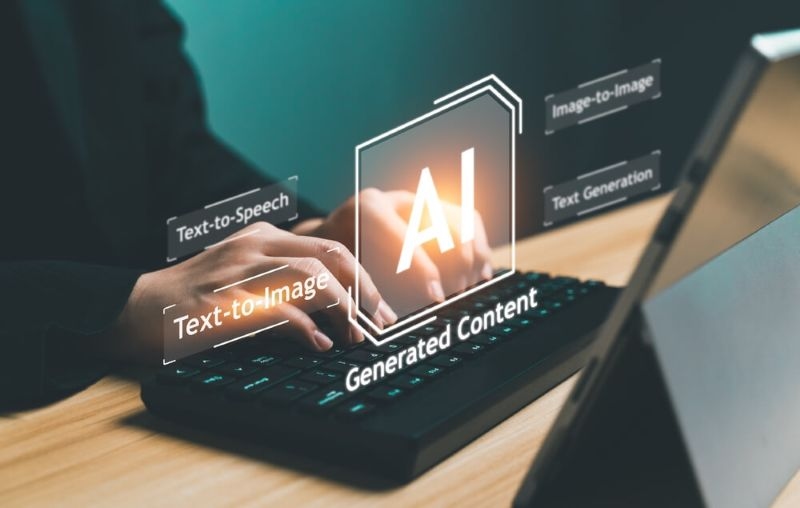
Content creation used to move at a snail’s pace. Not anymore. In just the past few years, generative AI has flipped the entire process on its head. What once required hours of writing, editing, and design now takes minutes. These new tools aren’t just helpful—they’re changing how creators, marketers, teachers, and businesses get things done every single day.
Let’s dig into how generative AI tools are shaking up content creation, the main types out there right now, and why they’re such a big deal in the Tech Trends world.
Generative AI tools don’t just shuffle around what already exists—they make something new. They learn from huge piles of text, images, audio, and video, picking up patterns so they can craft original stuff from scratch, all based on what you ask.
For creators, this means cranking out content quicker, brainstorming more ideas, and keeping things consistent. These tools can do a lot: write articles, whip up images, make videos, summarize research, and even throw out fresh creative ideas. They don’t take the place of human creativity, but they definitely clear away the boring, repetitive work.
Right now, one of the hottest uses for generative AI is content generation software. Think blog posts, catchy social captions, marketing emails, product descriptions, or video scripts—these tools cover it all.
Here’s how it works. You give the system a prompt in plain English. Tell it what you want and how it should sound, and it’ll spit out content that fits. A lot of writers use these tools for rough drafts, outlines, or to shake things up with new versions of what they’ve already got.
Businesses love it because they can keep content flowing without hiring an army of writers. Individuals use it to bust through writer’s block and speed up their creative process. Used right, it boosts productivity, but you still get to add your own edits and ideas.
Words are important, but so are pictures. That's where AI image generators come into play. Just type in what you want to see, and it makes an image to match. These platforms are a goldmine for marketers, designers, and social media creators. Need an illustration, concept art, a thumbnail, or a background? No pro design skills required. Suddenly, anyone can create eye-catching visuals.
Big names like Open AI and Midjourney have shown just how advanced this tech is now. With a few words, you can make high-quality images that used to take hours of work and expensive software.
Video is king when it comes to grabbing attention, but let’s be honest—it’s a pain to make. AI video creation tools take a lot of the hassle out of the process. These tools can turn your text into full videos, generate voiceovers, add subtitles, and even recommend visuals or transitions. Need an explainer, ad, tutorial, or social video? It’s a lot faster and easier now.
Companies like Runway are leading the charge, making editing and effects way simpler. For solo creators or small teams, this means you don't have to spend as much money, and you actually have a chance to create content that looks professionally made.
Here's the thing: AI can only make good stuff if you give it good instructions. That’s where prompt engineering helps. Prompt engineering is all about writing clear, detailed instructions that tell the AI exactly what you want—tone, format, audience, the whole deal. A strong prompt gets you sharp results. A weak one? You’ll end up with something bland or off the mark.
As more people start using these tools, getting good at prompt engineering is becoming a must-have skill. Creators who know how to guide AI get better, faster results. It’s the bridge that connects human ideas with machine power.
AI productivity software goes way beyond just making content. It helps you keep track of tasks, brainstorm ideas, and manage your whole workflow. These tools mix generative AI with planning, scheduling, and ways to work together as a team.
Think about it: AI can sum up your meetings, whip up to-do lists, suggest a content calendar, and even organize your research notes. For content teams, that means less time fiddling with logistics and more room for actual creative work.
When you connect AI productivity software with AI content generators and AI video tools, your whole content process just flows better. Everything feels smoother and more efficient.
In practice, nobody just uses one AI tool in isolation. They all work together in a bigger workflow. For example, maybe you start with an AI writer to draft an article. After that, go to a text-to-image site to get some images for your blog or social media. Then, you could try an AI video maker to change your post into a short video. Plus, AI tools can always give you a hand with keeping up with when things are due and coming up with fresh ideas.
This combo of tools proves a point: AI isn't taking over creativity—it's helping out. People still design the message, decide what’s important, and know when a project is done. AI just makes things faster and lets you do more.
Generative AI brings some obvious perks to content creation. The best part is that it saves you a ton of time. Things that used to drag on for hours now wrap up in minutes. It also helps keep costs down because you don't need a huge team or pricey programs all the time. Plus, your content will start to look and feel way more consistent.
Generative AI is also great because it lets people share their ideas clearly, even if they're not professional writers, designers, or video creators. It basically makes content creation open to everyone.
Of course, generative AI isn’t perfect. Sometimes, the content it spits out is off or just plain repetitive. That’s why human review matters. You can’t skip it. There’s the ethical side as well. Originality, privacy, and transparency all come into play. People need to know how AI content is made and make sure it fits their audience and values.
Good prompt engineering and careful editing help solve a lot of these issues. That’s how you get quality results.
Generative AI tools are getting better all the time. As the tech improves, expect to see content that's more accurate, creative, and personal. Also, as more platforms connect, AI productivity software will become even more helpful.
Creators who learn to work with AI will have a serious edge. Knowing how to use AI content generators, text-to-image platforms, and video tools is quickly becoming a must in all kinds of fields.
Generative AI tools are changing the content game—making things faster, easier, and more scalable. From AI writers to image generators and video tools, these technologies turn ideas into real content in no time.
When you mix in strong prompt engineering and support everything with AI productivity software, you free yourself up to focus on creativity—not busywork. These aren’t just nice-to-have tools anymore. For anyone working in content, they’re essentials.
Absolutely. Most are pretty straightforward, with simple interfaces. You can start with the basics and get better as you go.
Nope. AI can speed things up, but it can’t match human creativity, judgment, or emotional touch.
They let businesses create marketing visuals, social media images, and design ideas quickly and without breaking the bank.
Prompt engineering helps you steer the AI to give you results that actually work for you. The better your prompts, the better your content.
This content was created by AI