

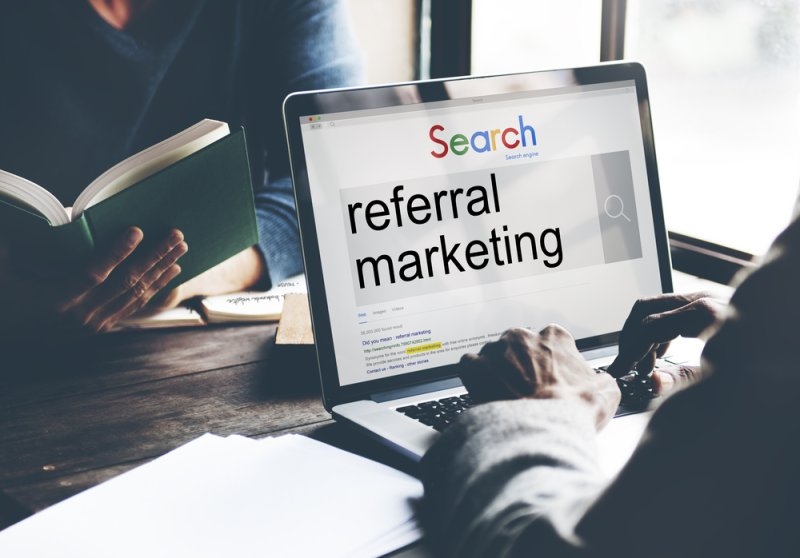
People often tend to think positively about something when it is introduced by someone whom they know and trust. This natural behavior forms the basis for referral marketing, which essentially means using people who are customers/partners/advocates of a company in introducing others to the company.
While word-of-mouth is one form of informal communication, referral marketing is an organized process through which customers can be encouraged to introduce others to the business. This is not only a quantifiable source of acquisition for the company but also gives its existing customers a reason to remain involved.
A referral marketing program, however, is not just about offering discounts but also involves much more.
Referral marketing is a method for growing a business through the recommendation of a company’s products or services by existing customers or any other person who can be considered an advocate of the brand.
The reward may vary in nature; the incentives may include discounts, credits in accounts, cash bonuses, gift vouchers, free products, upgrades, and access to anything else that might be valued by customers.
What distinguishes the referral marketing program from regular referrals is the referral process itself; customers get a mechanism by which they can refer others, whereas the businesses are able to trace the origin of new customers and analyze results.
Also check: How Does Lead Generation Help Attract and Convert Customers?
A referral approach can enable companies to make contact with potential customers who have some background knowledge of the brand in question. In such an instance, a person will offer credibility, which may not be easily obtained from a new advertising approach.
Customer loyalty may also be an advantage. Customers who get something out of helping promote the company may feel more involved with the brand.
Economy may also be an advantage in this process. While referral sourcing may involve less initial expenditure compared to certain paid methods, it is still important to factor in the cost of incentives, technology, administration, and promotion. Referral programs must, therefore, be judged on customer acquisition profitability and not just referral numbers.
The process of developing an efficient referral marketing campaign begins with setting goals.
First, determine what the program is supposed to help you accomplish. It could be getting additional purchases, qualified leads, subscribers, repeat orders, or entering a new customer segment.
Second, determine who your best candidates for becoming advocates might be. Frequent customers could be great for this purpose, but other criteria are also important—whether customers actively utilize the product or service, leave positive reviews about it, etc.
Third, determine how to evaluate referrals. It can be helpful if a customer clicks a link, but it may also be better if he makes a purchase, subscribes, consults, leaves a qualified lead, etc., depending on your business.
Fourth, decide on the reward, way of tracking, rules, and communication channels.
A customer referral program should create a win-win situation and not complicate the economics of running the business.
Common rewards are percentage off, flat credits, cash bonuses, free months, complimentary services, gift cards, upgrades, and early access. The choice will vary depending on the target audience and the value of a new client.
A two-way incentive is especially efficient in this situation, as one client gets rewarded for the referral and another for joining the company to experience its benefits.
Rewards may also be non-monetary—for example, priority customer service, exclusive information, special events, premium service, consultations, and early access to the products. Such kinds of incentives work if customers appreciate their time, attention, or prestige.
In addition, the reward system needs to be economically viable. Rewarding referrals but leaving no room for profit from the new clients is not a good business practice.
The most effective referral marketing ideas minimize friction and offer consumers some incentive to take part.
Reward not only the referrer but the referred customer as well. The referral becomes easier to perform since the customer gets a certain discount, and the existing customer has one more reason to get involved.
Develop a tier-based system rewarding customers according to the number of successful referrals performed. The customer may get a small reward for the first referral and receive a bigger reward upon accomplishing a series of achievements.
Offer customers something they would not be able to purchase anyway. This could include early access to products, exclusive events, special customer service, educational classes, and other benefits.
A seasonal or short-term referral bonus can create urgency. The offer should clearly state the deadline, qualifying action, and reward so customers know exactly what they are being offered.
Give your customers links, short messages, email formats, sharing icons, or any product info that can be shared easily. The effort of writing everything will not be necessary anymore.
Appreciate those who are worth being appreciated through appreciation messages, special privileges, access to community, and so forth.
Examining some different referral program examples reveals why a business should tailor the concept to its own unique customer journey.
For example, an e-commerce company might give the customer some store credit when their friend makes the first purchase. A subscription-based company might give a free month as a reward after a successful referral.
For a software company, an advocate might receive account credits, more functionality in the software, or access to tools only for a limited time. For a service provider, a discount for a future project or a free consultation might work.
Of course, professional companies don’t need to go for anything complicated. They can just ask satisfied clients to make introductions and track the opportunities through the CRM system.
What matters is that a referral program doesn’t have to be complicated. Its proper implementation depends on purchase frequency, customer value, sales cycle, and the nature of the customer-business relationship.
Referrals have to be analyzed as a business channel rather than just a way of maintaining loyalty.
Record the volume of referrals, conversion rates, cost of rewards, customer acquisition cost, revenues, and retention. Such metrics will help understand whether the referrals really bring in valuable clients.
It is also important to consider the quality of referrals. Compare referral clients to other business channels' clients based on such metrics as the average order value, purchase frequency, subscription length, and lifetime value.
In addition, businesses have to determine what kinds of referrals work best for them. If email referrals are more valuable than social sharing referrals, businesses may modify their marketing activities to fit that.
A mistake that companies often make is initiating their programs without ensuring that the customer experience is adequate to warrant such recommendations. There is no way customers will refer something that makes them disappointed, even if there is an incentive involved.
Also, creating confusing incentives can reduce the performance of these campaigns. Customers should be able to tell easily what rewards they will receive.
Making requests for referrals early in the campaign cycle can affect the success rate. People have to be convinced about the value of something first before recommending it to others.
Lastly, companies should not concentrate only on the quantity of referrals. Lots of low-quality referrals might not bring much profit as compared to a few high-quality clients.
Must Read: Artificial Intelligence Trends Shaping How Work Gets Done
The referral marketing approach can prove to be effective if businesses integrate the customer satisfaction strategy along with an easy-to-measure sharing process. The best referral marketing programs are not based on the concept of rewards only. Rather, they have an easy process of participation, clear guidelines, incentive options relevant to their target audiences, and measurement of results following each referral.
No matter whether one is developing a customer referral marketing campaign or acquisition strategy, he/she should first know the reason behind the recommendations made by the customers and then try to eliminate the barriers to sharing and reward the actions.
Pretty much any company with satisfied customers can practice referral marketing, whether it is an e-commerce site, subscription service, software company, agency, consultant, or even a locally based business providing services.
The reward should be something valuable yet affordable at the same time. Discounts, credits, cash, freebies, upgrades, and unique experiences are all possible.
After the customer has a pleasant interaction with the company, that could be a purchase, leaving feedback, onboarding, returning to order, and more.
Yes, companies can offer such incentives as recognition, exclusive privileges, premium support, complimentary services, upgrades, and events, instead of a price cut.
Utilize unique referral links/codes and track the following metrics: referrals, conversions, cost of rewards, sales revenue, cost of acquisition, retention, and value of customers.
This content was created by AI